

media Kit
YOU are Making Life Happen
You may not know it, but as a member of the media, you play a key role in the donation process.
Please use the information provided on this page for reporting on LOPA.
Questions? Let us know! Email us anytime at info@lopa.org
LOPA LOGO

You can download our LOPA Blue logo for use in reporting or event promotion here. Please note our brand guidelines above when utilizing LOPA’s logo.
You can download our LOPA White logo for use in reporting or event promotion here. Please note our brand guidelines above when utilizing LOPA’s logo.
LOPA Media and Photos
-
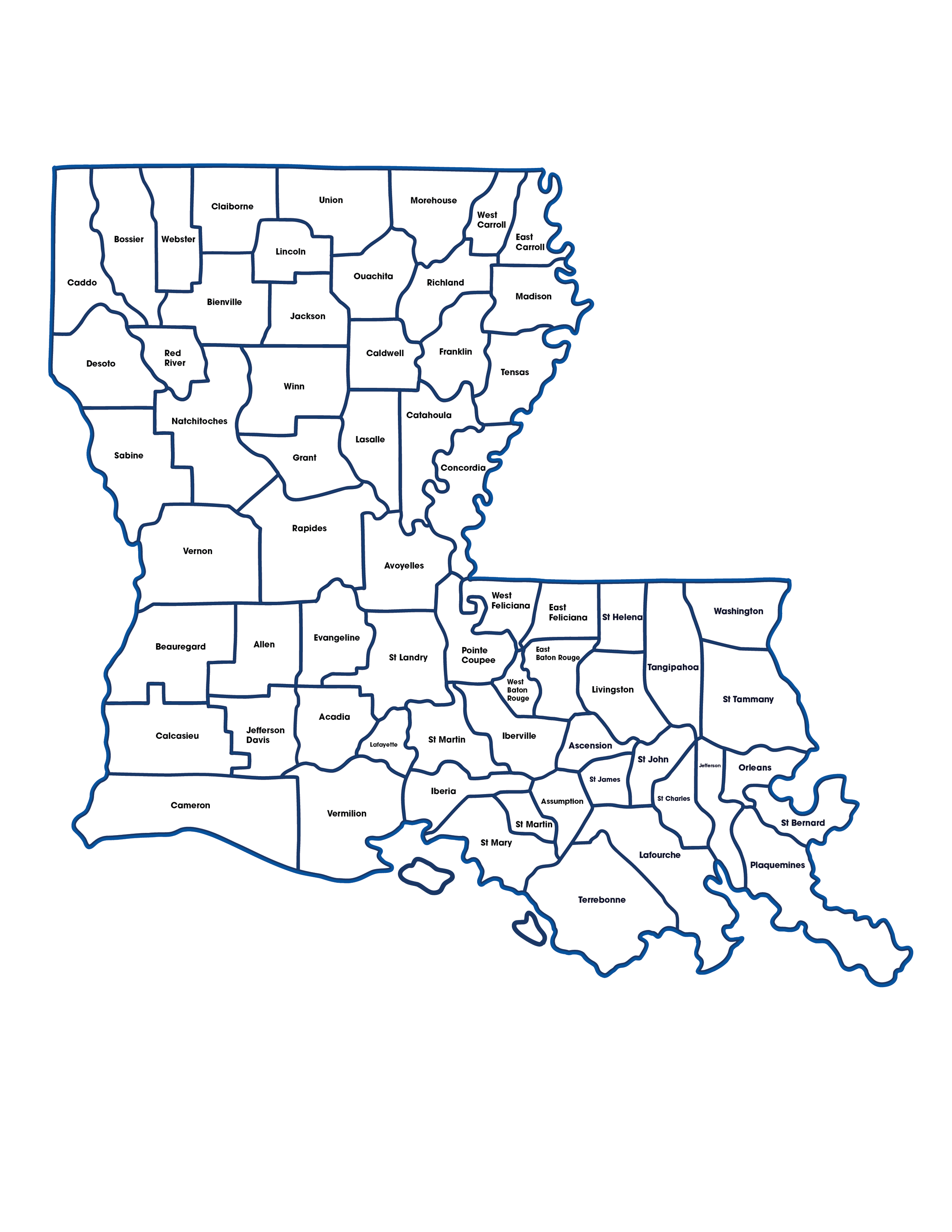
LOPA Headquarters
FOR STATEWIDE REPORTING
Highlighting our central operations, and impactful campaigns that connect and support communities across the entire state. -
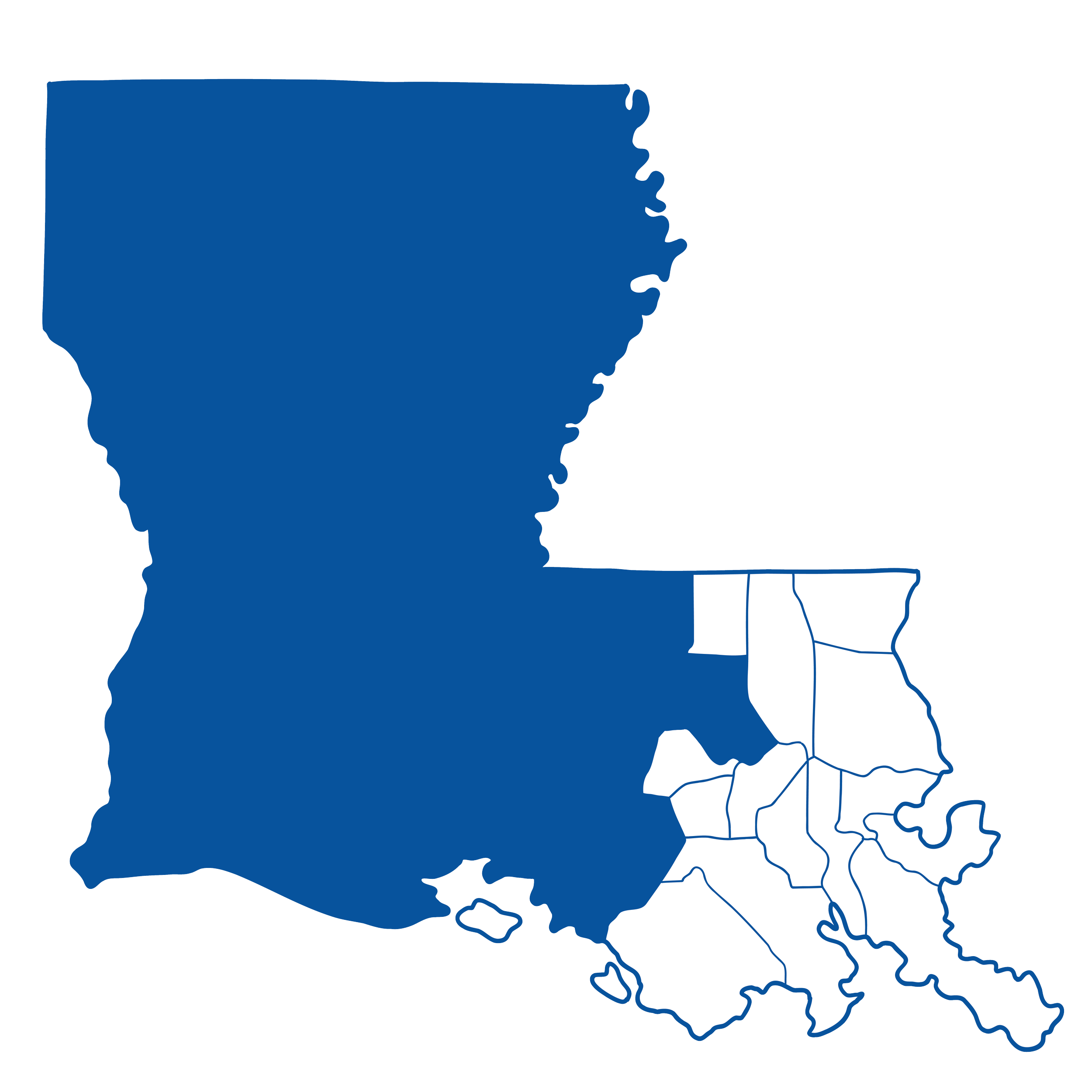
Greater NOLA & Northshore
REGIONAL REPORTING
Local donation awareness events and community partnerships from across the Greater New Orleans and the Northshore areas. -
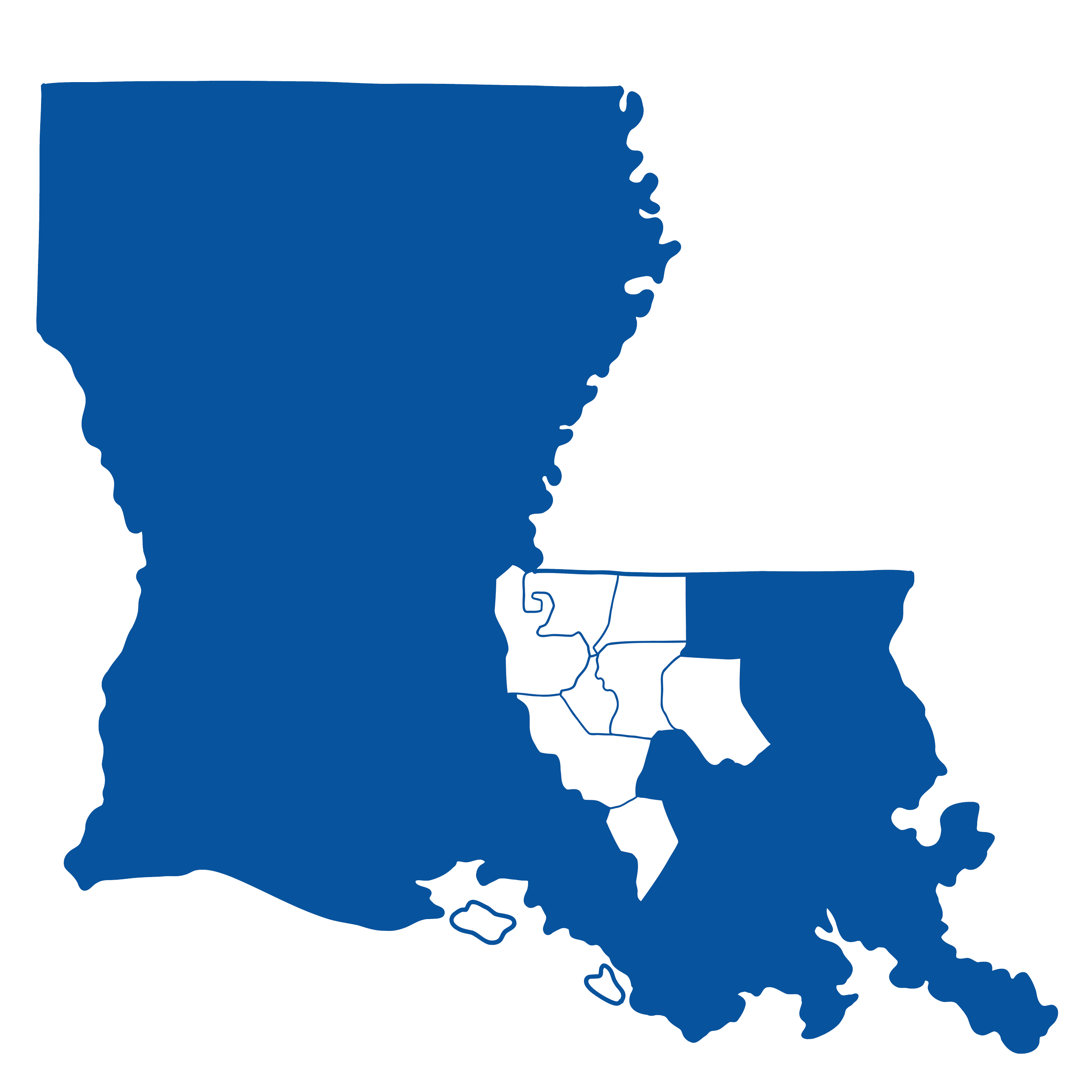
Baton Rouge Region
REGIONAL REPORTING
Showcasing regional events, advocate outreach, and community engagement throughout the Capital Region. -
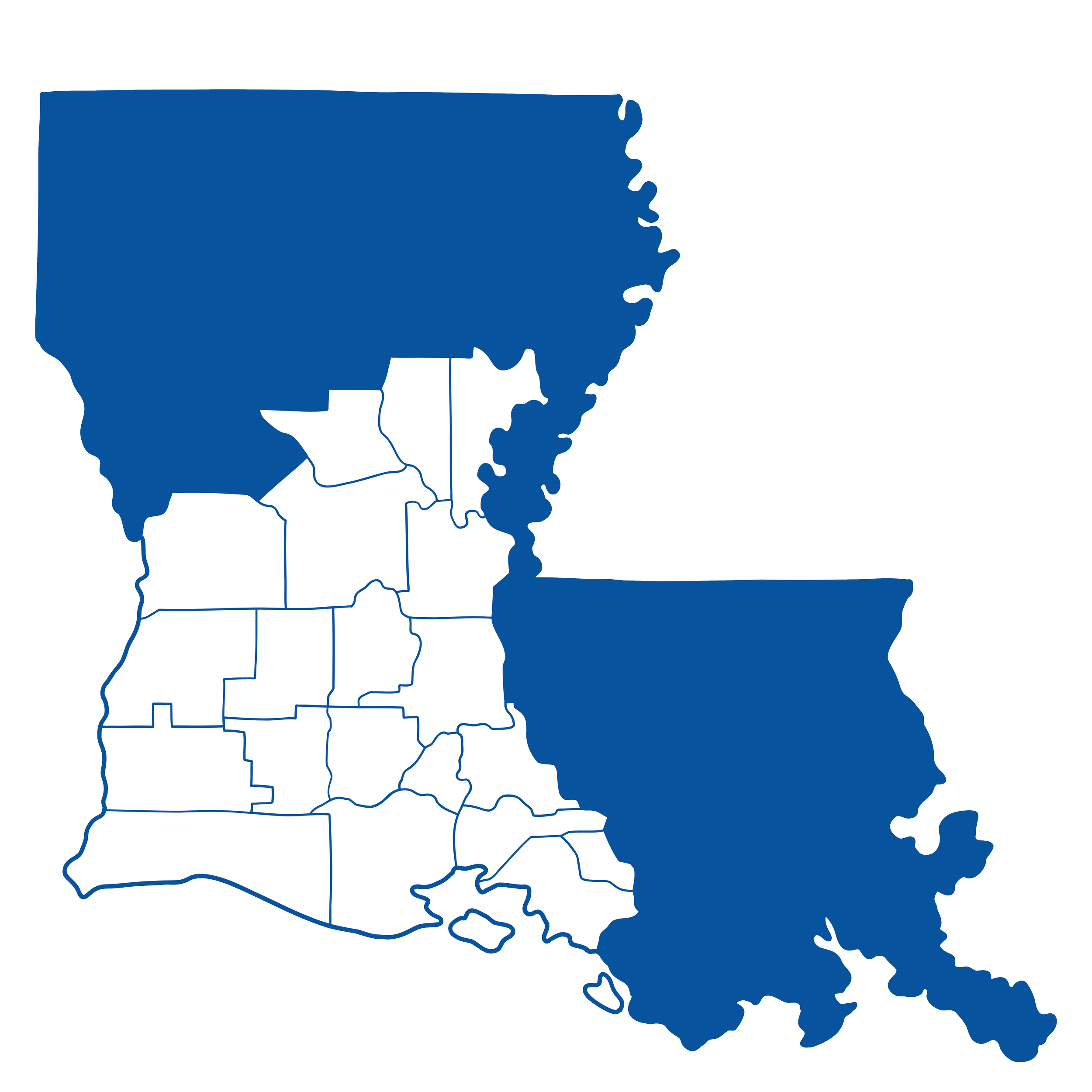
Lafayette, SWLA & CenLA
REGIONAL REPORTING
Featuring local gatherings, awareness initiatives, and stories of hope across Southwest and Central Louisiana. -
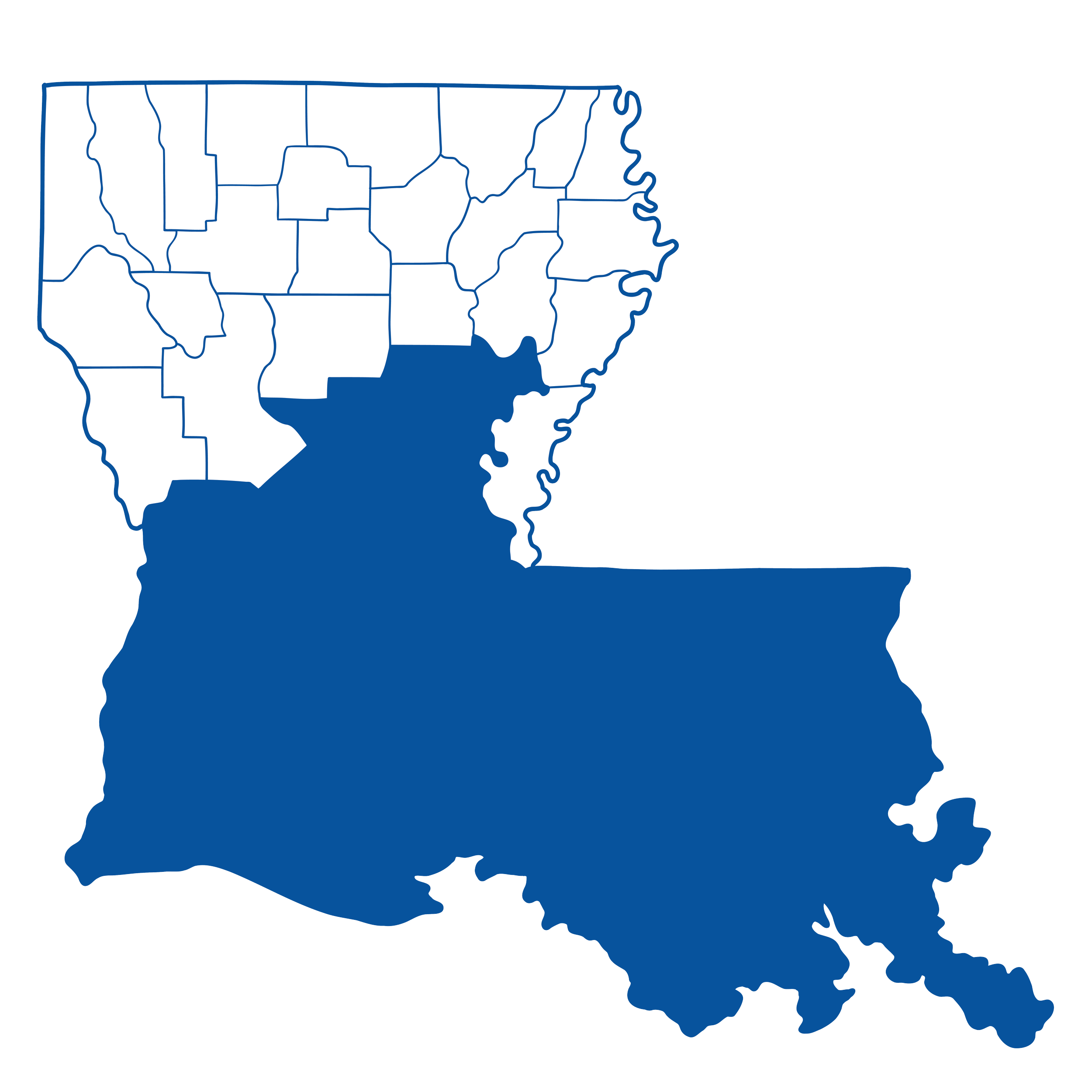
NLA, Shreveport & Monroe
REGIONAL REPORTING
Documenting community involvement, local events, and advocacy efforts throughout North Louisiana.
UNDERSTANDING DONATION
Donation can save and enhance lives in a variety of ways. Most notable are organs that are transplanted into very sick people, giving them a second chance at life.
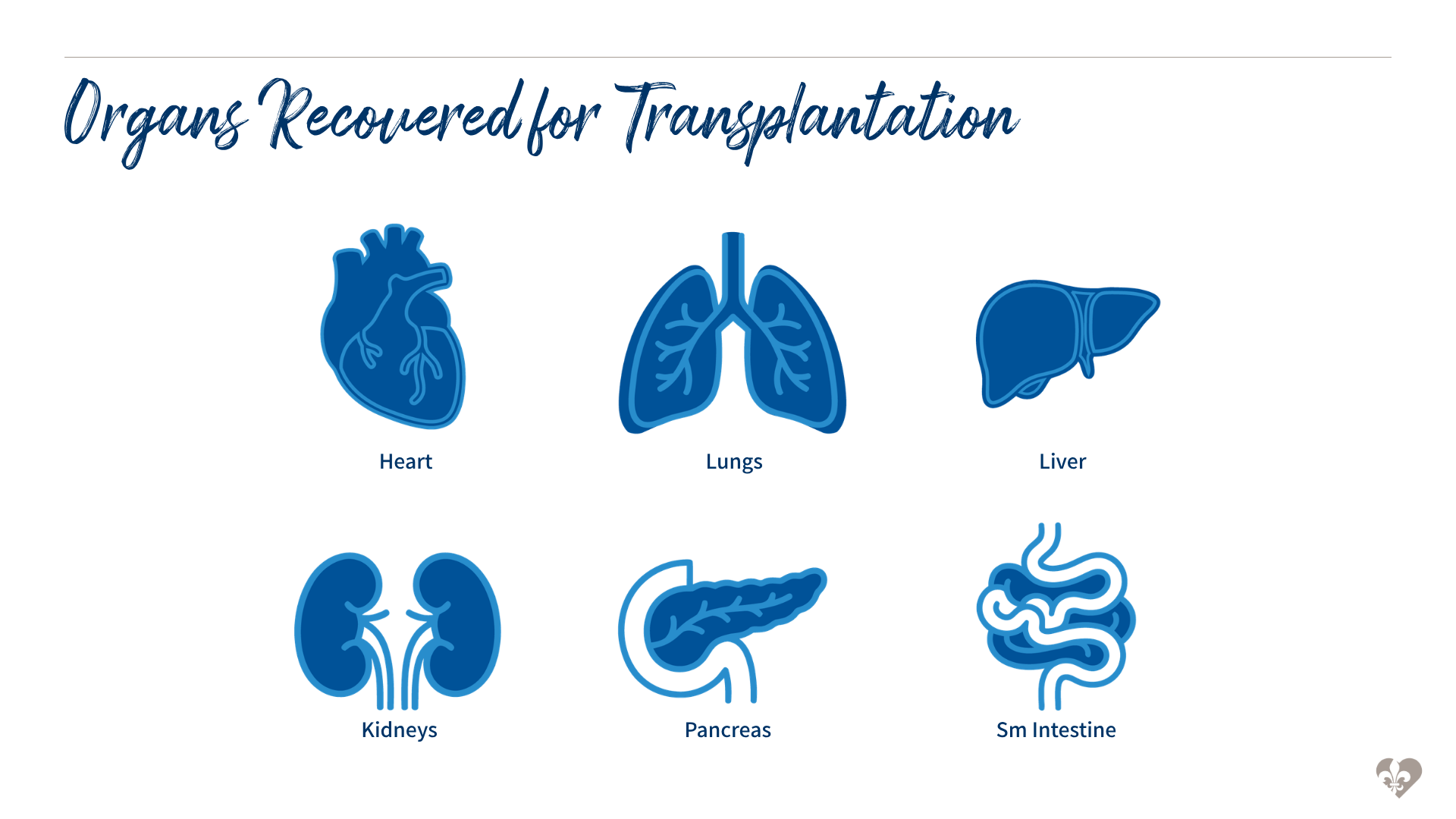
Organs that can be donated are: heart, lungs, liver, pancreas, kidneys, and intestines. Up to 8 lives can be saved by 1 donor.
People suffering with more common ailments such as sports injuries, eye diseases such as glaucoma, and clogged veins can be treated with donated tissues. Burn victims and those with severe wounds also benefit from tissue donation.
75 people could benefit from the gifts of 1 tissue donor.
Fact vs. Fiction
Stats, Facts and Language
-
Organs recovered by LOPA: heart, lungs, liver, kidneys, pancreas, small intestine
• One organ donor can potentially save the lives of up to 8 people.
• Tissues recovered by LOPA: bone, skin, tendons/ligaments, heart valves, saphenous vein.
• One tissue donor can help heal the lives of 75 people.
• There are three eye banks in Louisiana. They are responsible for recovering corneas for transplant.
• There are over 100,000 Americans currently waiting on a life saving organ transplant.
• There are approximately 2,000 people waiting in Louisiana on the national waiting list.
• Only a small percentage of all individuals will have the potential to donate organs upon their death.
• In order to become an organ donor, an individual must have a traumatic brain injury, be supported by a ventilator and die in a hospital.
• Registering to be a donor will not affect any medical treatment you may need.
• All major religions support organ and tissue donation.
• There is no additional cost to your family.
• Donation still allows for an open casket and other traditional funeral arrangements.
-
“RECOVERY” of organs not “harvesting” of organs
“RECOVER” organs not “harvest” organs
“DETERMINE BRAIN DEATH” not “declare brain death”
“MECHANICAL or VENTILATOR” support not “life” support
“DONATED ORGANS AND TISSUES” not “body parts”
“DECEASED DONOR” not “cadaver” (when used in a donation context)
Anyone can register to be a donor!
Organ and tissue donation begins with a simple decision to say YES.
A family discussion is strongly encouraged so that all family members, or next of kin, are aware of a person’s decision to donate. You can register to be a donor one of the following ways…
Visit lopa.org/register and fill out an online registration form. This registration is exactly the same as saying YES at the Office of Motor Vehicles.
Register within the LA Wallet app by clicking on menu and then selecting Organ Donor Registration. You can also check your registration status within the app.
Say YES when renewing or receiving a driver’s license or identification card.
Donor registration is a legally binding decision that individuals make for themselves. Organ procurement organizations (OPO) work with family members to carry out the decision of the potential donor in the event donation becomes an option.
